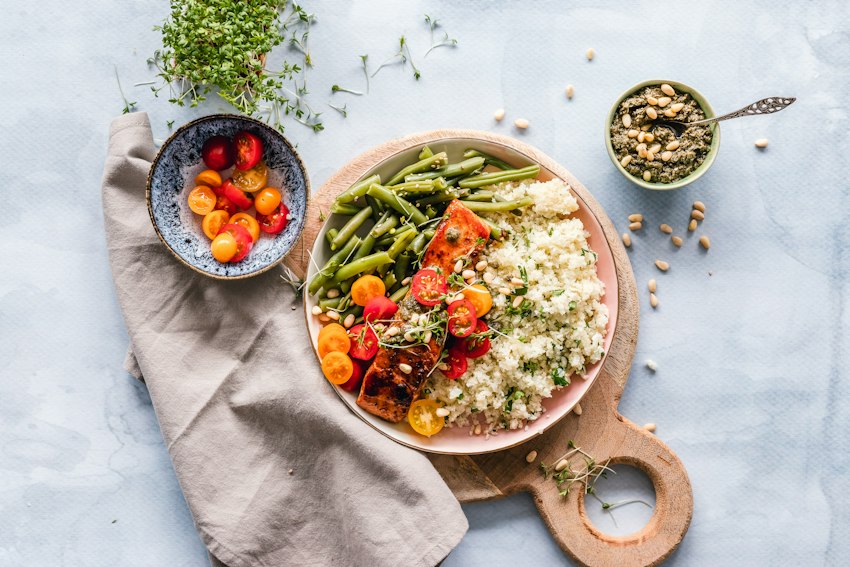
Eat plenty
Vegetables & fruit
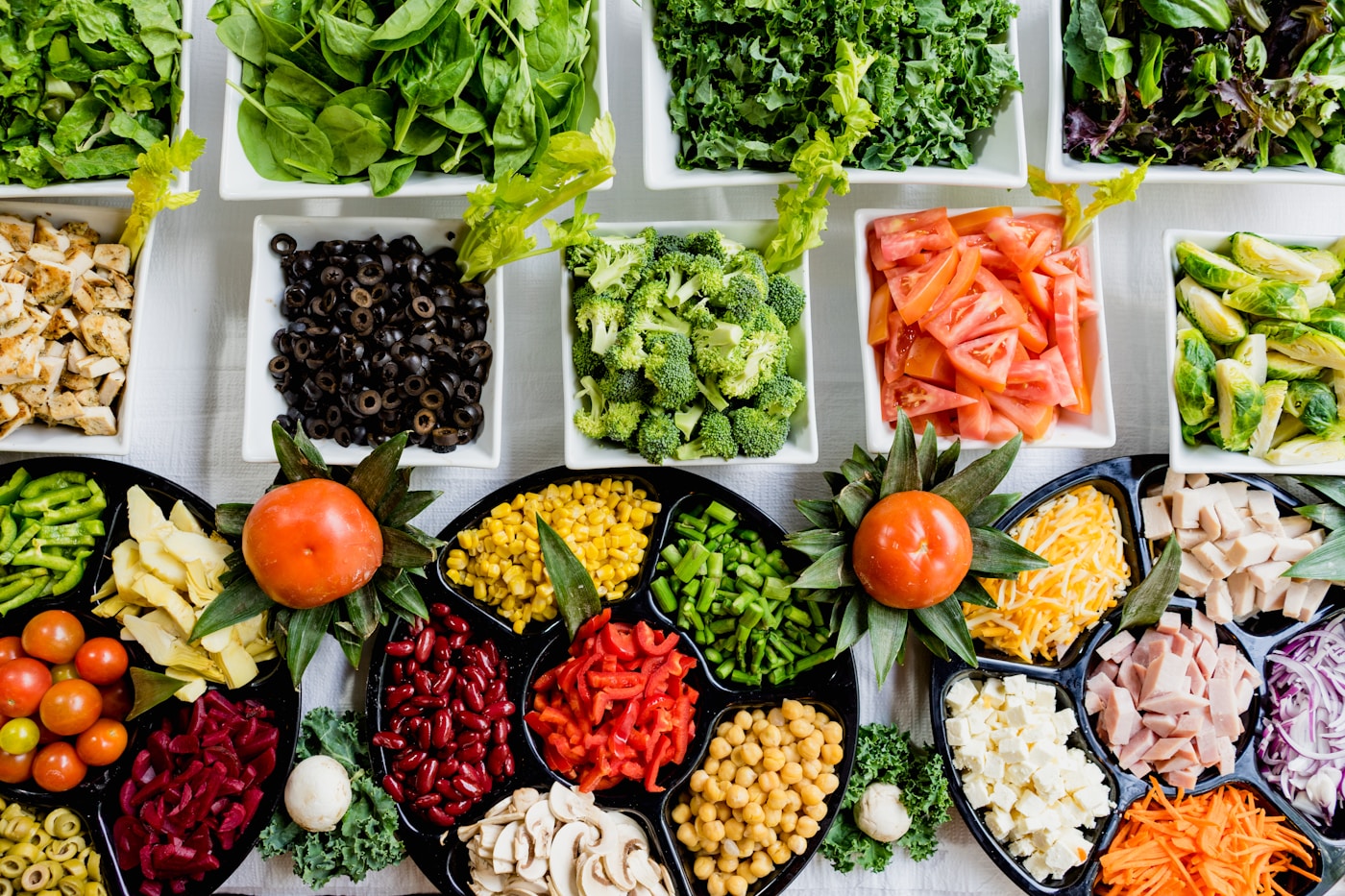
Salads, carrots, broccoli, tomatoes, apples, berries, oranges. Fresh, frozen and no-salt-added options all count.
A simple guide to Mediterranean-style eating—made for Dan Freeburg, for recovery, and for a healthier heart in the years ahead.
Good news: This isn't a strict diet. It's a better way to eat the foods you already know.
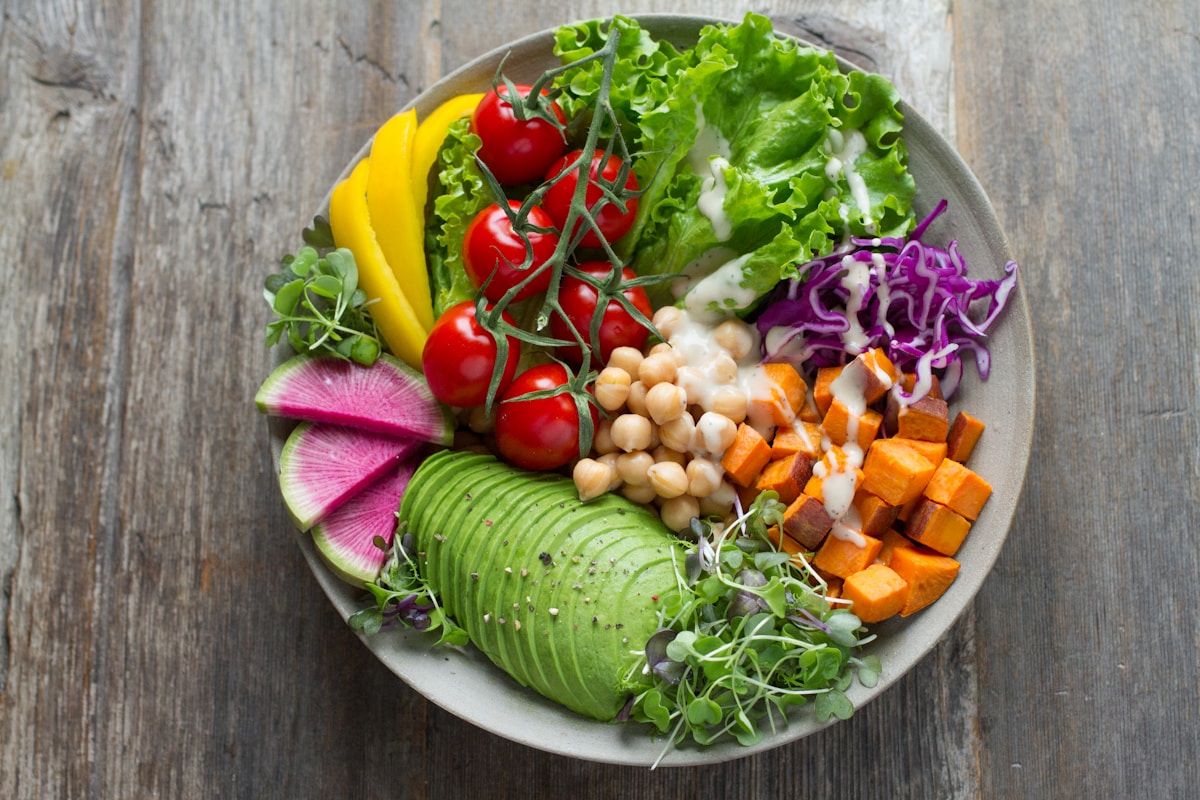
You don't have to eat Greek food, give up potatoes, or change everything overnight.
Think of this as a pattern for most meals, not a list of forbidden foods.
Salads, carrots, broccoli, tomatoes, apples, berries, oranges. Fresh, frozen and no-salt-added options all count.
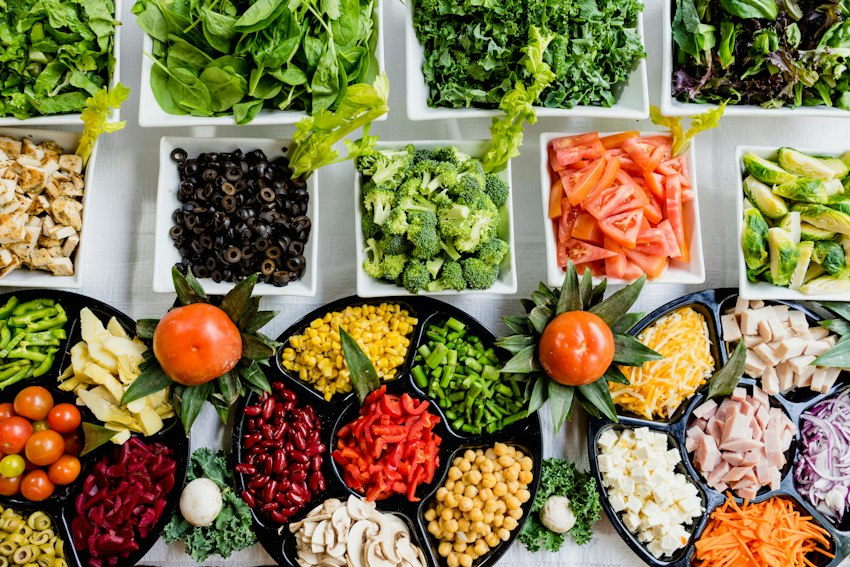
Fish, chicken, lentils, chickpeas and beans. Include protein at meals to support healing after surgery.
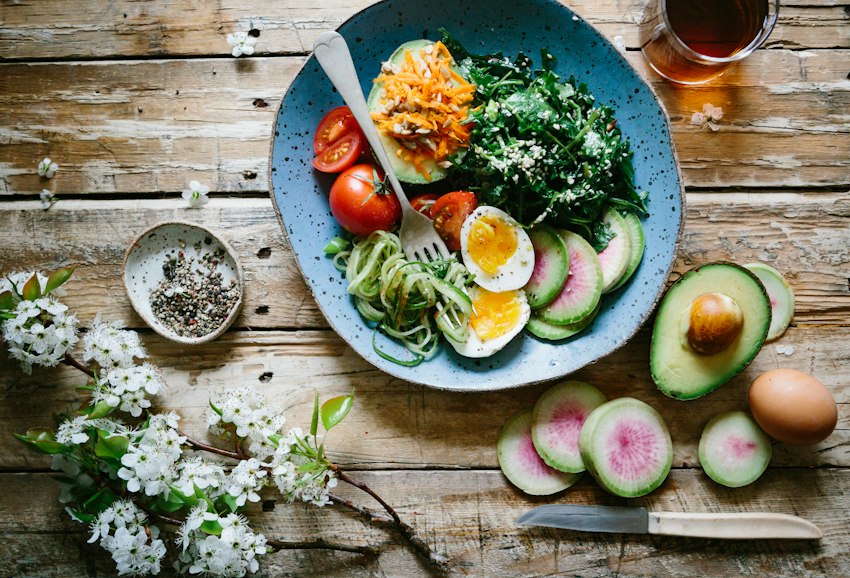
Oatmeal, brown rice, whole-grain bread, olive oil, nuts and seeds. Choose these more often than refined grains or butter.
You don't need to count every calorie or measure every bite. Use this simple picture as a starting point.
Cook with olive oil instead of butter when you can. Use lemon, garlic and herbs to add flavor without so much salt.
Keep the foods you like, and make a few changes to how you prepare them.
You can still have favorite foods occasionally. What matters most is what you eat regularly.
Oatmeal with berries and walnuts, or eggs with whole-grain toast.
A chicken or turkey sandwich on whole-grain bread, with an apple or vegetables.
Baked fish or chicken, a sweet potato or brown rice, and a generous serving of vegetables.
Snacks: An apple, plain yogurt with berries, or a small handful of unsalted nuts. Water or unsweetened drinks are good everyday choices.
Simple Mediterranean-style dinners for Dan Freeburg. Nothing fancy, no unusual equipment, and most meals are ready in about 30 minutes. Pick any recipe on any night.
These sites offer searchable collections, including heart-healthy and diabetes-friendly options.
Because Dan Freeburg is healing from heart surgery and has diabetes, a few details matter more than they might for someone simply trying to eat healthier.
Follow the hospital team's instructions first. Ask whether there are specific limits on sodium, fluids, or certain foods, and whether a dietitian can help plan meals.
🍗 Eat enough protein.
Your body needs fuel and protein to heal. This is not the time for a crash diet.
🧂 Go easier on salt.
Processed meats, canned soups and packaged foods can contain a lot of sodium. Check labels and follow your team's limits.
🍎 Keep an eye on blood sugar.
Whole grains and fruit are healthy, but carbohydrates still affect diabetes. Follow your glucose and medication plan.
❤️ Keep taking prescribed medications.
Eating well helps protect the heart, but it does not replace medicines, follow-up appointments or cardiac rehabilitation.
Don't try to be perfect. Try to be consistent.
Fresh or frozen—just make them part of the meal.
A simple change for everyday cooking.
Have red and processed meat less frequently.
“The goal isn't to eat perfectly. It's to give your heart a little more help, one meal at a time.”